 By admin
Commercial trucking is the backbone of modern commerce, moving goods across cities, states, and borders every day. Because trucks operate under demanding conditions—long hours, heavy loads, variable weather, and tight delivery schedules—safety is not optional. It is the result of consistent planning, professional support, and ongoing maintenance. When even one element of that system fails, the consequences can include costly delays, equipment damage, regulatory penalties, or serious accidents.
Operating a commercial truck safely requires far more than skilled driving. Behind every successful trip is a network of essential services that keep vehicles compliant, roadworthy, and prepared for unexpected situations. These services range from preventive mechanical care to emergency response planning, all working together to reduce risk and protect both drivers and the public. Understanding how these services function—and when to use them—empowers fleet managers and owner-operators to make smarter operational decisions.
Preventive care plays a central role in safety. Regular inspections, component monitoring, and system upgrades help identify small issues before they escalate into breakdowns or roadside emergencies. At the same time, preparedness for unexpected events ensures that when problems do occur, they are handled efficiently and safely. A well-prepared operation does not rely on improvisation; it relies on established relationships with professionals who specialize in commercial truck support.
Safety is also closely tied to compliance. Regulations governing commercial trucking exist to protect lives, infrastructure, and cargo. Staying compliant requires attention to vehicle condition, documentation, and service records. When trucks are properly maintained and supported by qualified service providers, compliance becomes a natural outcome rather than a last-minute scramble.
This article explores the essential services that help commercial trucks operate safely every day. Each section focuses on a specific area of support, offering practical guidance, real-world considerations, and actionable steps. Whether you manage a large fleet or operate independently, understanding these services will help you reduce downtime, improve safety outcomes, and protect your business over the long term.
Prepare for Breakdowns With Rapid Response Planning

Breakdowns are an unavoidable reality in commercial trucking, but how they are handled determines whether they become minor delays or serious safety incidents. Planning ahead for roadside emergencies reduces risk to drivers, cargo, and other motorists. A well-structured response plan ensures that when a truck becomes disabled, the situation is managed quickly and professionally.
One of the most important elements of emergency preparedness is access to reliable roadside truck services. These providers are equipped to handle mechanical failures, tire issues, electrical problems, and other situations that make a vehicle unsafe to operate. When breakdowns occur on highways or remote routes, fast response times are critical for preventing secondary accidents and extended downtime. In more severe cases, heavy duty towing may be required to safely remove the vehicle from traffic and transport it to a repair facility.
Key elements of an effective breakdown response plan include:
- Keeping emergency contact information easily accessible to drivers
- Training drivers on safe roadside behavior and visibility procedures
- Establishing clear communication protocols with dispatch
- Knowing when a vehicle must be towed instead of repaired roadside
Preparedness also involves evaluating risk factors such as route conditions, weather exposure, and load type. Trucks carrying heavy or specialized cargo may require faster intervention and specialized recovery procedures. By planning for these scenarios in advance, fleets avoid rushed decisions that compromise safety.
A proactive approach to breakdown management minimizes disruption while protecting drivers and equipment. When response plans are clearly defined and regularly reviewed, roadside incidents become controlled events rather than emergencies that spiral into larger problems.
Ensure Compliance and Safety When Transporting Dangerous Loads
Transporting regulated cargo introduces additional safety responsibilities that demand specialized knowledge and support. Loads classified as hazardous require strict adherence to regulations governing handling, documentation, and vehicle condition. Failure to meet these standards can result in serious accidents, environmental damage, and significant legal penalties.
Hazardous material hauling requires careful coordination between drivers, dispatchers, and service providers. Vehicles must be properly equipped, maintained, and inspected to ensure they meet safety requirements. Specialized heavy trucking service providers play a crucial role by offering vehicles, maintenance, and operational expertise designed specifically for high-risk cargo.
Best practices for transporting regulated materials include:
- Verifying that vehicles meet regulatory equipment standards
- Ensuring all required permits and documentation are current
- Conducting pre-trip inspections focused on containment systems
- Training drivers on emergency response procedures
Safety does not end when the truck leaves the yard. Continuous monitoring during transport helps identify issues before they escalate. This includes tracking vehicle performance, monitoring route conditions, and maintaining communication with drivers. If a problem occurs, response procedures must be executed immediately to protect public safety.
Compliance-focused operations reduce risk while building trust with regulators and clients. By working with experienced service providers and maintaining rigorous standards, trucking operations ensure that dangerous cargo is moved responsibly and efficiently.
Maintain Drivetrain Components to Prevent Highway Failures
The drivetrain is one of the most critical systems in any commercial truck. Failures in this area often occur at highway speeds, creating dangerous conditions for both the driver and surrounding traffic. Preventive maintenance and early detection are essential for avoiding catastrophic breakdowns.
The semi truck driveshaft plays a central role in transferring power from the engine to the wheels. Wear, imbalance, or damage can lead to vibration, loss of control, or complete drivetrain failure. Regular inspections help identify issues such as worn joints, cracks, or alignment problems before they result in roadside incidents.
Effective drivetrain maintenance strategies include:
- Scheduling routine inspections during service intervals
- Monitoring vibration, noise, and performance changes
- Replacing worn components promptly
- Using manufacturer-approved replacement parts
Choosing the correct diesel truck part is just as important as identifying the problem itself. Low-quality or incompatible components may fail prematurely, creating additional safety risks and repair costs. Reliable sourcing ensures that replacements meet performance standards and integrate properly with existing systems.
Preventive drivetrain care improves reliability and fuel efficiency while reducing downtime. When fleets prioritize component health instead of reactive repairs, they significantly lower the risk of unexpected failures on the road.
Prioritize Stopping Power Through Routine Safety Inspections
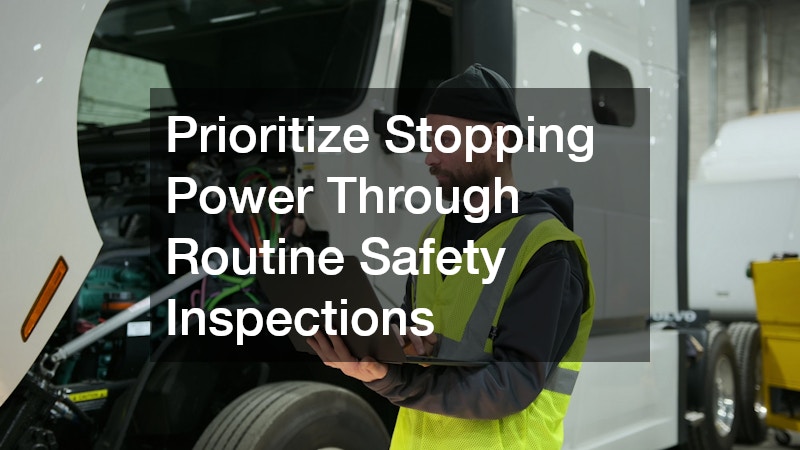
A truck’s ability to stop safely is fundamental to every aspect of road safety. Due to vehicle weight and load demands, braking systems in commercial trucks experience constant stress. Without consistent inspection and maintenance, stopping distances increase, and failure risks rise dramatically.
Brakes require regular evaluation to ensure they function reliably under all conditions. Heat buildup, wear, contamination, and improper adjustment are common issues that reduce performance. Routine inspections identify these problems early, preventing accidents caused by delayed or uneven stopping.
Key braking system maintenance practices include:
- Inspecting pads, drums, and rotors for wear
- Checking air lines, hoses, and fittings
- Verifying proper adjustment and pressure levels
- Monitoring warning indicators and performance changes
Driver feedback is also valuable. Changes in pedal feel, stopping distance, or noise often indicate developing issues. Encouraging drivers to report concerns immediately helps maintenance teams address problems before they become dangerous.
Strong braking performance protects drivers, cargo, and the public. By prioritizing inspection schedules and responding quickly to warning signs, trucking operations maintain control in emergency situations and reduce overall accident risk.
Keep Trucks Visible, Clean, and Inspection-Ready
Cleanliness plays a larger role in safety than many operators realize. Dirt, grime, and buildup can obscure lights, reflectors, and identification markings, reducing visibility and increasing accident risk. Regular cleaning also supports compliance and maintenance efficiency.
Routine truck washes help maintain visibility while protecting vehicle surfaces from corrosion. Road salt, chemicals, and debris accelerate wear when left untreated. Keeping trucks clean allows inspectors and technicians to spot leaks, cracks, and other issues more easily.
Benefits of consistent cleaning include:
- Improved visibility for other drivers
- Easier detection of mechanical issues
- Reduced corrosion and surface damage
- Better inspection outcomes
Cleaning schedules should be aligned with operating conditions. Trucks traveling through harsh environments may require more frequent attention. Environmentally responsible washing practices further support sustainability goals while maintaining safety standards.
A clean truck reflects professionalism and preparedness. More importantly, it contributes directly to safer operation by ensuring that critical safety features remain visible and functional at all times.
Modify Trucks Carefully Without Compromising Safety
Truck modifications can improve functionality, comfort, or performance, but they must be approached cautiously to avoid unintended safety consequences. Any alteration that affects suspension, height, or handling can change how a truck responds under load, during braking, or in emergency maneuvers. Thoughtful planning and professional evaluation are essential before making changes.
One common modification is installing a truck lift kit. While lifts can improve ground clearance and off-road capability, they also alter a vehicle’s center of gravity. This can affect steering response, braking distance, and rollover risk, particularly when hauling heavy loads. Modifications should always be assessed for how they impact overall vehicle dynamics.
Best practices for safe truck modifications include:
- Consulting professionals before installing suspension changes
- Evaluating how modifications affect load limits and stability
- Recalibrating systems affected by height or alignment changes
- Performing post-modification safety inspections
Beyond physical changes, documentation and compliance must also be considered. Modified trucks may require updated inspections or certifications to remain road-legal. Failing to address these requirements can result in fines, downtime, or insurance complications.
Safe modifications enhance performance without compromising control. By prioritizing stability and compliance, operators ensure that customization supports operational needs while maintaining safety standards.
Respond Safely and Legally After Serious Truck Incidents
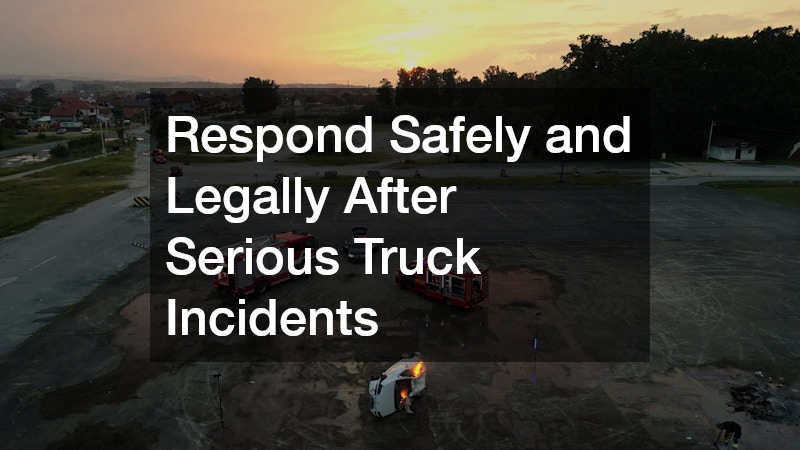
Accidents involving commercial trucks are complex events that require careful handling. Beyond immediate safety concerns, there are legal, financial, and operational implications that can affect a business long after the incident occurs. Knowing how to respond properly protects drivers and organizations alike.
After ensuring safety and contacting emergency services, documentation becomes critical. Photos, witness statements, and official reports help establish accurate records. In cases involving injuries, disputed fault, or significant damage, consulting a truck accident attorney helps ensure that rights are protected and obligations are met.
Important post-incident steps include:
- Securing the scene and preventing further hazards
- Documenting conditions, damages, and statements
- Reporting the incident according to regulations
- Preserving maintenance and inspection records
Legal guidance helps navigate insurance claims, regulatory inquiries, and potential litigation. An experienced professional ensures that communication is handled appropriately and that compliance requirements are met.
Preparedness reduces long-term impact. When drivers and managers understand post-incident procedures, recovery is faster, more organized, and less disruptive to operations.
Reduce Downtime Through Proactive Mechanical Service Scheduling
Downtime is costly, disruptive, and often preventable. Reactive maintenance strategies lead to emergency repairs, missed deliveries, and increased safety risks. Proactive service scheduling allows operators to address wear and inefficiencies before they result in breakdowns.
Partnering with a reliable heavy trucking service supports consistent maintenance across fleets. Scheduled inspections, component replacements, and performance evaluations reduce unexpected failures and improve operational predictability.
Effective scheduling strategies include:
- Creating mileage- and time-based service intervals
- Tracking component lifespans and performance data
- Coordinating service around delivery schedules
- Maintaining detailed service records
Preventive maintenance improves safety by ensuring critical systems remain functional. It also supports compliance by providing documentation during inspections or audits.
Consistent scheduling transforms maintenance from a reactive necessity into a strategic advantage. Well-maintained trucks stay on the road longer, operate more efficiently, and pose fewer risks.
Coordinate Recovery Services to Minimize Secondary Damage
When a truck becomes disabled, recovery must be handled carefully to avoid additional damage. Improper towing or rushed decisions can worsen mechanical issues or compromise cargo integrity. Coordinated recovery ensures safety and cost control.
Heavy duty towing is often required for large commercial vehicles. These services use specialized equipment and trained operators to recover trucks safely without stressing frames, axles, or drivetrains. Clear communication between drivers, dispatch, and recovery providers is essential.
Recovery coordination best practices include:
- Verifying recovery provider qualifications
- Communicating vehicle condition and load details
- Choosing appropriate towing methods
- Documenting recovery actions
Proper recovery protects both the vehicle and surrounding traffic. It also reduces repair costs by preventing secondary damage caused by improper handling.
Prepared recovery plans streamline response during stressful situations. When procedures are established in advance, recovery becomes safer and more efficient.
Build a Safety-First Culture Across Fleet Operations

Safety is not the responsibility of a single department—it is a shared commitment across an entire organization. A safety-first culture integrates training, maintenance, communication, and accountability into daily operations. This approach reduces incidents while improving morale and performance.
Access to dependable roadside truck services reinforces this culture by ensuring drivers are never left unsupported. Knowing help is available encourages responsible decision-making and reduces risky behavior during breakdowns.
Key elements of a safety-focused operation include:
- Regular safety training and refreshers
- Clear reporting and communication channels
- Preventive maintenance accountability
- Continuous review of incident data
Leadership plays a crucial role in reinforcing expectations. When safety is prioritized at every level, compliance and performance improve naturally.
A strong safety culture protects lives, assets, and reputations. Over time, it becomes one of the most valuable investments a trucking operation can make.
Keeping commercial trucks safe takes more than fixing problems as they arise. It means planning ahead with regular maintenance, being prepared for emergencies, and relying on the right professional support. When these pieces come together, trucks stay reliable, and risks are reduced.
A proactive approach helps cut downtime, protect drivers and cargo, and keep operations running smoothly. Well-maintained vehicles also last longer, operate more efficiently, and make compliance easier, saving time and money.
Most importantly, focusing on safety helps everyone on the road. By using essential support services effectively, fleet managers and owner-operators can build dependable, compliant operations that meet today’s needs and stay strong well into the future.