 By admin
Owning a vehicle is a significant commitment that extends far beyond the initial purchase price. For most individuals, a car is the second largest investment they will make, serving as a vital lifeline to work, family, and recreation. Maintaining this asset requires a multifaceted approach that combines regular mechanical oversight, cosmetic preservation, and a deep understanding of the engineering at play. By staying proactive with maintenance and selecting the right specialists for specific needs, you can ensure that your vehicle remains safe, reliable, and visually appealing for hundreds of thousands of miles. The modern automotive landscape is complex, but with the right knowledge, any driver can master the art of vehicle ownership.

Understanding The Life Cycle Of Commercial Vehicles
For entrepreneurs and logistics professionals, the choice of vehicle is a primary factor in business efficiency. Commercial transportation requires a balance of cargo capacity, fuel economy, and maneuverability within urban environments. Choosing a specialized vehicle designed for hauling goods is a strategic decision that impacts the bottom line. These vehicles are built on heavy-duty chassis and are designed to withstand the rigorous demands of daily deliveries and high-mileage routes.
If you are expanding your delivery fleet or starting a new moving venture, searching for a box truck for sale allows you to find a platform that offers the necessary cubic footage for your specific cargo. These vehicles often feature reinforced flooring and roll-up rear doors that facilitate quick loading and unloading. When evaluating these machines, it is vital to check the service history of the liftgate and the integrity of the storage box itself to ensure the vehicle is ready for immediate deployment into your business operations.
The Importance Of Routine Diagnostic Inspections
Modern vehicles are essentially rolling computers, equipped with dozens of sensors that monitor everything from exhaust emissions to tire pressure. When a dashboard light illuminates, it is the vehicle’s way of communicating that a parameter has fallen outside of its intended range. Ignoring these warnings can turn a minor sensor adjustment into a catastrophic engine failure. Regular diagnostics are the only way to catch developing issues before they leave you stranded on the side of the road.
Building a relationship with a trusted auto mechanic ensures that your vehicle receives consistent care from someone familiar with its history. These professionals use advanced scanning tools to interface with your car’s On-Board Diagnostics system, identifying ghost codes and pending issues that haven’t yet triggered a warning light. A thorough inspection once or twice a year can reveal small leaks or frayed belts that are easy to fix now but could cause significant downtime if they fail during a long trip.
Preserving The Exterior Finish Against Environmental Damage
The paint on your car is not just for show; it is a protective barrier that prevents the metal body panels from oxidizing and rusting. Every day, your vehicle is bombarded by UV rays, bird droppings, road salt, and industrial fallout. These contaminants can eat through the clear coat and cause permanent damage to the pigment below. Regular cleaning is the most effective way to neutralize these acids and keep your car looking like it just rolled off the showroom floor.
Frequent visits to local auto car washes help remove the abrasive grit that accumulates in the wheel wells and undercarriage. High-pressure water systems are particularly effective at flushing out salt and mud from hard-to-reach areas where corrosion often starts unnoticed. By incorporating a regular wash into your weekly routine, you are not only maintaining the aesthetic appeal of your vehicle but also protecting its long-term resale value by preventing the onset of rust.
Navigating Major Mechanical Overhauls And Repairs
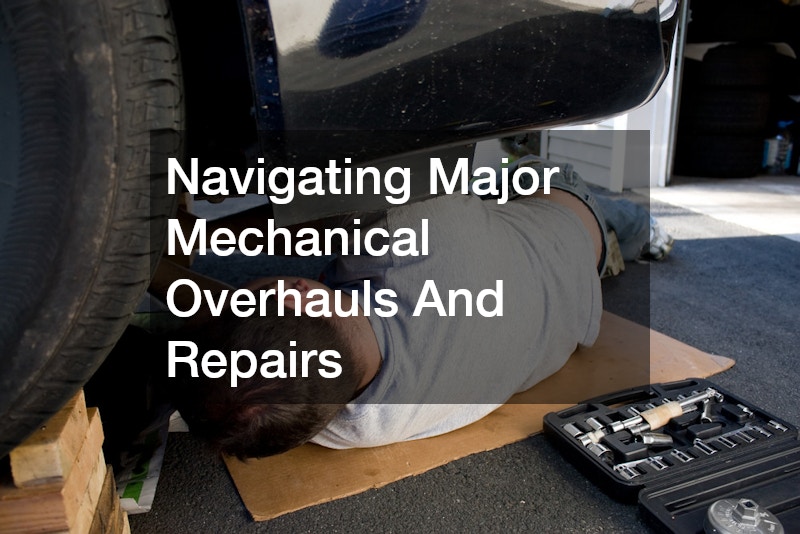
As a vehicle ages, certain components will inevitably reach the end of their service life. Parts like water pumps, alternators, and suspension bushings are designed to wear out over time. When these major systems begin to fail, the cost of repair must be weighed against the reliability of the vehicle. In many cases, replacing a specific sub-system is far more economical than purchasing a new vehicle, especially if the engine and transmission remain in good health.
Reliable local auto repair shops provide the expertise needed to handle these more intensive projects. Whether it is a timing belt replacement or an entire engine swap, these facilities have the heavy machinery and specialized bays required for complex labor. They also offer warranties on both parts and labor, providing peace of mind that the work has been performed to industry standards. Taking a proactive approach to these “mid-life” repairs can easily extend the life of a modern car to twenty years or more.
Specialized Care For Heavy Duty Compression Engines
Diesel engines operate under much higher pressure than their gasoline counterparts, which contributes to their famous durability and torque. However, this high-pressure environment also means that the fuel and cooling systems are more complex. Diesel owners must be especially vigilant about fuel filtration, as even microscopic contaminants can destroy high-pressure injectors. Furthermore, modern diesel vehicles utilize Diesel Particulate Filters (DPF) and Urea systems that require specific maintenance protocols to remain emissions-compliant.
Finding a technician who specializes in diesel repair is essential for anyone driving a heavy-duty pickup or commercial van. These engines require specific oils and filters that differ significantly from standard passenger cars. Specialized shops have the diagnostic software necessary to force DPF regenerations and troubleshoot complex turbocharger issues. Because diesel components are often more expensive than gasoline parts, having a specialist who can accurately diagnose the root cause of a problem prevents the unnecessary replacement of healthy components.
Addressing Unexpected Breakdowns And Failures
No matter how well you maintain a car, mechanical failures can still occur due to manufacturing defects or extreme weather conditions. Dealing with a breakdown is a stressful experience that requires a calm, systematic approach. The first priority is always safety—getting the vehicle out of the flow of traffic and into a secure location. Once the car is safe, the focus shifts to finding a reputable facility that can diagnose the failure and provide a transparent estimate for the necessary work.
When you are faced with a sudden mechanical issue, a general car repair facility can often provide a quick turnaround for common problems like a dead battery, a blown radiator hose, or a failed starter motor. Many of these shops offer towing services to help get your vehicle off the road and into the shop. By keeping a record of local shops in your phone or glovebox, you can reduce the panic associated with a breakdown and ensure that your car is handled by professionals who can get you back on the road quickly.

Restoring Structural Integrity After An Impact
Accidents are an unfortunate reality of the road, and even a minor “fender bender” can compromise the safety features of a modern vehicle. Crumple zones are designed to absorb energy during an impact, meaning that the visible damage to the bumper may hide structural damage to the frame or the sensors for the airbag system. Restoring a vehicle to its pre-accident condition requires a combination of heavy-duty frame straightening and delicate cosmetic finishing.
Professional auto body services utilize specialized racks to pull a vehicle’s frame back into factory specifications. They also employ paint-matching technology that accounts for the slight fading of the original finish, ensuring that the new panels blend perfectly with the rest of the car. Beyond the looks, these experts ensure that the structural “skeleton” of the car is sound, which is critical for the vehicle’s performance in any future impacts. Never settle for just a cosmetic fix when the underlying safety of the car is at stake.
Maintaining The Critical Safety Of Stopping Systems
The most important safety feature on any vehicle is the one that brings it to a stop. The braking system is a marvel of hydraulic engineering, but it relies on friction material that is designed to be sacrificed. Every time you press the pedal, a tiny amount of the brake pad is worn away. If you ignore the warning squeals or the grinding sounds that occur when pads get low, you risk damaging the rotors or, worse, losing stopping power entirely during an emergency.
Visiting a dedicated brake shop is the best way to ensure your rotors are smooth and your pads have plenty of life left. Technicians will also check the condition of the brake fluid, which is hygroscopic—meaning it absorbs moisture from the air over time. This moisture can lead to internal corrosion and can lower the boiling point of the fluid, causing “brake fade” during mountain descents or heavy traffic. Fresh fluid and high-quality pads are the cheapest insurance you can buy for your safety on the highway.
Choosing Between Dealer And Independent Service
Homeowners often struggle with the decision of where to take their car for service: the dealership or an independent shop. Dealerships offer the latest factory training and original equipment manufacturer (OEM) parts, which is often required for warranty work. However, independent shops often provide a more personal level of service and can frequently offer lower labor rates. The right choice often depends on the age of the vehicle and the complexity of the specific repair needed.
Skilled auto mechanics in the independent sector often have decades of experience across multiple brands, giving them a broad perspective on common failures. They are often more willing to use high-quality aftermarket parts that can be more durable or less expensive than the factory equivalents. Whether you choose the dealer or a local garage, the most important factor is the transparency of the communication and the willingness of the shop to stand behind their work with a solid warranty.

Deep Cleaning For Long Term Interior Preservation
The interior of your car is where you spend all your time, and it can quickly become a breeding ground for bacteria and allergens if not properly maintained. Spilled coffee, skin oils, and dust can settle into the fibers of the seats and the crevices of the dashboard, leading to permanent stains and unpleasant odors. Furthermore, the plastic and leather components can dry out and crack if they are not regularly conditioned and protected from the sun.
Hiring a professional auto detailing company goes far beyond a simple vacuum and wipe-down. These experts use steam cleaners to extract deep-seated dirt from carpets and specialized conditioners to restore the suppleness of leather upholstery. They also apply UV protectants to the vinyl surfaces to prevent the “chalking” and cracking that occurs with sun exposure. A professional detail can make a five-year-old car feel like new again, significantly improving your daily driving experience and the value of the car when you go to sell it.
Mastering The Art Of Fluid Management
Every major system in your car—the engine, transmission, power steering, and cooling system—relies on specific fluids to lubricate, cool, and clean internal parts. These fluids are the lifeblood of the machine. Over time, heat and friction cause these liquids to break down, losing their ability to protect the metal surfaces. Keeping a strict schedule for fluid changes is the single most important thing you can do to prevent a multi-thousand dollar repair bill.
Engine oil should be changed according to the manufacturer’s “severe service” schedule if you frequently drive in stop-and-go traffic or extreme temperatures. Similarly, the transmission fluid, which is often overlooked, should be flushed to remove the microscopic metal shavings that accumulate as the gears mesh. By treating your car to fresh fluids, you are ensuring that the internal components move with the least amount of resistance possible, which also has the secondary benefit of improving your fuel economy.
Strategies For Extending Tire Life And Performance
Tires are the only part of your car that actually touches the road, making them critical for handling, braking, and fuel efficiency. Improperly inflated tires not only wear out faster but also increase the load on the engine and suspension. Furthermore, as tires wear, the tread depth decreases, which significantly impacts the vehicle’s ability to clear water and prevent hydroplaning during heavy rain.
Regularly rotating your tires every 5,000 to 7,000 miles ensures that they wear evenly across all four positions. Since the front tires on most cars handle the majority of the steering and braking forces, they tend to wear faster on the edges. Moving them to the rear allows them to “rest” and wear more evenly in the center. Checking your alignment is also crucial; if your car pulls to one side, it means your tires are being dragged across the asphalt at an angle, which can destroy a brand-new set of tires in just a few thousand miles.
Understanding The Role Of The Charging System
A car that won’t start is the ultimate frustration. Most starting issues are related to the battery, alternator, or starter motor. Modern car batteries generally last between three and five years, but extreme heat can shorten that lifespan significantly. The battery’s job is to provide the initial burst of power to start the engine, while the alternator takes over once the car is running, powering the electronics and recharging the battery for the next start.
If you notice your headlights dimming at stoplights or your engine turning over slowly in the morning, it is time to have your charging system tested. Most shops can perform a “load test” on your battery to see if it still has the capacity to hold a charge. Replacing a weak battery before it fails completely is a simple task that prevents the need for a jump-start or a tow truck in the middle of a busy day. Additionally, keeping the battery terminals clean and free of corrosion ensures a solid electrical connection.
Preparing Your Vehicle For The Extremes Of Winter
Winter is the most taxing season for any vehicle. Cold temperatures thicken the oil, making it harder for the engine to turn over, while road salt creates a highly corrosive environment for the body and suspension. Before the first snow falls, it is vital to check your antifreeze levels and ensure the mixture is correct; if the water-to-coolant ratio is off, the fluid could freeze and crack your engine block.
Switching to winter tires is another excellent investment for those in northern climates. These tires are made with a different rubber compound that remains soft in freezing temperatures, providing much better grip on ice and snow than “all-season” tires. Additionally, keeping a winter emergency kit in the trunk—including a blanket, a small shovel, and some sand for traction—ensures that you are prepared for the worst-case scenario. A little preparation in the autumn goes a long way toward a stress-free winter driving season.
Enhancing Fuel Economy Through Sensible Maintenance
With fluctuating gas prices, maximizing fuel efficiency is a priority for every driver. While driving habits play a large role, the mechanical condition of the car is equally important. A clogged air filter, for example, forces the engine to work harder to breathe, which wastes fuel. Similarly, old spark plugs that aren’t firing efficiently can lead to unburnt fuel being pushed out the exhaust, dragging down your miles per gallon.
Ensuring your fuel system is clean and your tires are properly inflated can lead to an immediate 5-10% improvement in fuel economy. Using the correct grade of motor oil—as specified in your owner’s manual—is also important; oil that is too thick can create internal drag that the engine has to overcome. By keeping your car in peak tune, you are not only helping the environment but also keeping more money in your pocket every time you visit the pump.
The Long Term Rewards Of Proactive Car Care
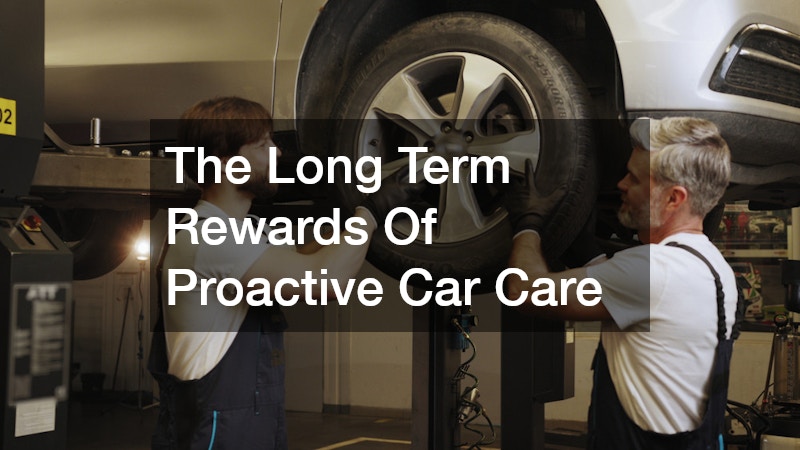
Approaching vehicle ownership with a mindset of preservation rather than just repair is the key to automotive success. It is much easier and cheaper to maintain a car in good condition than it is to resurrect one that has been neglected. By staying on top of the small things—the washes, the oil changes, and the tire rotations—you prevent the large, expensive failures that lead many people to trade in their vehicles prematurely.
A well-maintained car is a source of pride and a reliable tool that supports your lifestyle. Whether you are driving a brand-new luxury SUV or a twenty-year-old economy car, the principles of care remain the same. Respect the machinery, follow the manufacturer’s guidelines, and work with professionals who share your commitment to quality. Your car is your partner on the road; take care of it, and it will take care of you for years to come.