 By admin
The immediate aftermath of a major motor vehicle collision is a chaotic, disorienting experience. In a single second, the terrifying sound of crunching metal, shattering glass, and exploding airbags replaces a normal commute. As the dust settles, a rush of adrenaline floods your body, masking physical pain and leaving you in a state of cognitive shock. For many survivors, the initial hours are a blur of emergency flashing lights, police questions, and medical checks. It is an overwhelming moment that disrupts your entire world, leaving you to deal with a sudden crisis.
Once the initial shock wears off, the true burden of recovery begins to take shape. Accident victims find themselves forced into a stressful multitasking role that they never asked for. You have to handle intense physical pain, process dense insurance paperwork, field constant phone calls from claims adjusters, and sort out your broken transportation options all at the same time. Trying to manage these heavy tasks while dealing with emotional trauma can easily lead to burnout and mistakes. The secret to regaining control of your life is to break your recovery down into distinct, manageable parts. Focusing on your medical health, legal rights, and vehicle logistics step by step protects your well-being and safeguards your finances. This complete guide provides the practical advice and timelines needed to navigate the long recovery road after a major crash.
Coordinating Emergency Scene Logistics and Vehicle Transport

The first few hours after a major collision set the stage for your entire insurance and recovery process. Managing the scene effectively requires keeping a cool head during a highly stressful event. Your immediate priority must always be safety: checking for injuries, moving to a secure spot away from traffic, and calling emergency responders to the scene. Once everyone’s physical safety is secured, you must shift your focus to gathering documentation and managing your vehicle’s removal from the roadway.
To protect your legal and financial interests before leaving the scene of the accident, focus on these critical logistics:
- Document the Scene Visually: Take wide-angle photographs of the entire crash site before any vehicles are moved by tow trucks. Capture the final resting positions of all cars, the specific points of impact, traffic signs, skid marks on the pavement, and current weather conditions.
- Exchange Complete Information: Collect names, phone numbers, driver’s license details, and full insurance policy information from all drivers involved. Do not skip gathering names and contact info for any eyewitnesses who stopped to help, as their statements are incredibly valuable later.
- Secure the Police Report Data: Talk with the responding police officer and make sure to write down the official accident report number, the officer’s full name, and their badge number. This report acts as the official, unbiased record used by insurance companies to determine fault.
Relying on an authorized local towing company ensures your vehicle is moved safely to a secure holding lot rather than an unverified impound yard. Unscrupulous tow truck drivers often show up at crash scenes unauthorized, looking to charge exorbitant storage fees. While your vehicle is stranded or undergoing assessment, arranging alternative transportation services keeps your daily schedule moving without missing medical checkups. Securing a reliable rental car or utilizing a trusted rideshare service ensures you can still get to work and manage your family duties during a stressful time.
Diagnosing Hidden Traumas and Managing Musculoskeletal Recovery
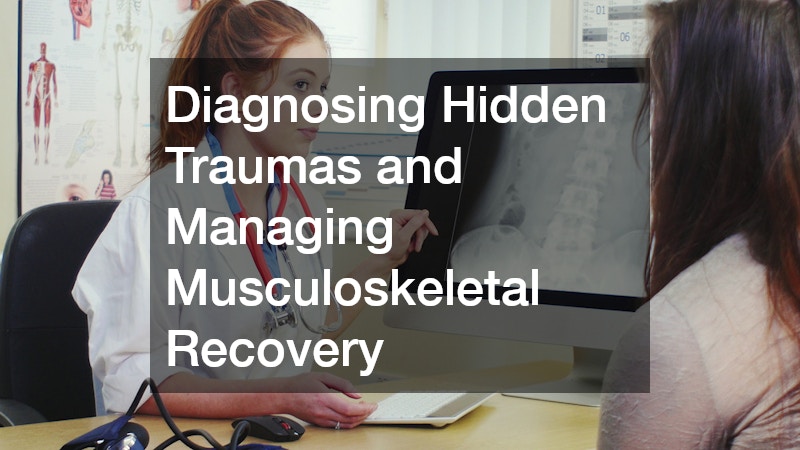
The surge of adrenaline and cortisol that hits your body during a crash is a powerful survival mechanism, but it comes with a major downside. It temporarily numbs your pain receptors, making it easy to walk away from a ruined vehicle, thinking you are completely fine. Unfortunately, many serious crash injuries, such as whiplash, internal bleeding, and micro-concussions, do not show symptoms right away. Homeowners and drivers often wake up days later suffering from intense stiffness, severe headaches, or deep muscle pain once their hormone levels balance out.
Protecting your health requires getting a comprehensive medical evaluation within seventy-two hours of the incident. Use these physical recovery and tracking strategies to manage your physical rehabilitation:
- Watch for Delayed Symptoms: Pay close attention to your body in the days following the impact. Take immediate action if you experience recurring dizziness, blurred vision, numbness in your fingers, cognitive confusion, or persistent back and neck pain.
- Keep a Detailed Recovery Journal: Maintain a daily logbook to document your physical pain levels, mobility limits, sleep disruptions, and emotional distress. This personal record serves as vital evidence that connects your medical treatments directly to the accident.
- Stick to Your Rehabilitation Plan: Do not skip physical therapy sessions or stop taking prescribed medications just because you start feeling a bit better. Insurance adjusters track your attendance, and skipping appointments can give them an excuse to cut off your medical funding.
Consulting specialized car accident chiropractors can help realign your cervical spine and reduce inflammation after a severe whiplash impact. These professionals focus on treating soft-tissue damage and joint misalignments caused by rapid force changes, helping you regain your normal range of motion safely. Tracking your physical health is paramount, even as you take care of standard mechanical maintenance like coordinating an urgent auto glass repair for shattered windows. Keeping your physical recovery moving alongside your vehicle repairs ensures your body heals correctly while your car is restored.
Protecting Your Financial Assets and Navigating Insurance Claims
A serious car accident brings a massive financial burden, including mounting hospital bills, costly prescriptions, and lost income from missing work. Navigating this financial minefield requires understanding that insurance companies are businesses focused on protecting their own bottom lines, not your personal well-being. Insurance adjusters often use friendly language to build trust, only to turn around and offer lowball settlements before the true extent of your injuries is even diagnosed.
To shield your savings from these aggressive tactics and ensure you receive fair compensation, follow these strict communication and legal habits:
- Refuse Early Recorded Statements: Never agree to provide a recorded phone statement to the at-fault driver’s insurance company without your own representative present. Adjusters are trained to ask misleading questions designed to make you admit fault or downplay your injuries.
- Organize Your Financial Records: Set up a dedicated accordion folder to store every piece of paper tied to the crash. File all hospital invoices, pharmacy receipts, diagnostic bills, rental car expenses, and verified payroll records showing lost wages.
- Track the Statute of Limitations: Every state establishes a strict legal deadline for filing property damage and personal injury claims after a motor vehicle crash. Missing this date permanently destroys your legal right to pursue compensation, so mark this deadline clearly.
Retaining a skilled auto accident attorney gives you an experienced advocate to handle complex settlement negotiations on your behalf. An attorney can take over all phone calls, gather expert testimonies, and build a strong, evidence-backed case while you focus on healing. Dedicated accident injury lawyers understand how to accurately calculate the lifetime costs of long-term medical care, ensuring you do not settle for less than your case is worth. Having professional legal backing levels the playing field against large insurance corporations, protecting your family’s financial future.
Navigating Extensive Vehicle Overhauls and Structural Rebuilds
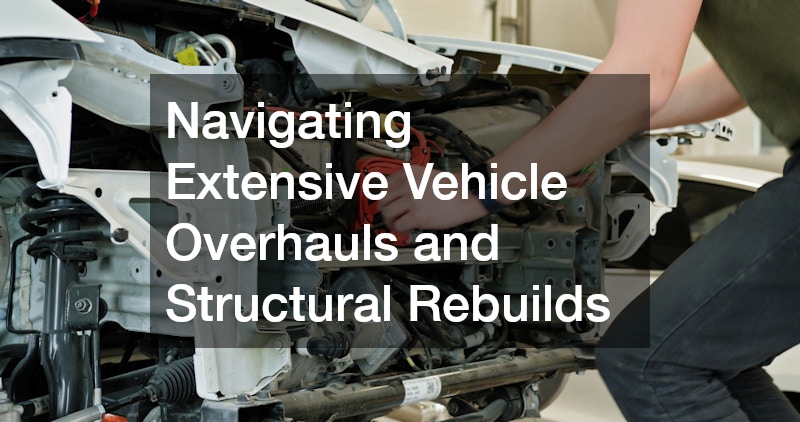
If your insurance provider determines that your car is salvageable, the vehicle will enter the repair phase. This process involves much more than just buffing out paint scratches or replacing crumpled bumpers. A high-speed impact can warp your car’s underlying steel frame, ruin suspension components, and damage sensitive computer networks. Ensuring your vehicle is truly safe to drive again requires a level of precision that cheap, uncertified repair shops simply cannot provide.
Managing your vehicle’s mechanical restoration requires strict quality control and careful vetting of the repair contract. Use these tips to ensure a safe, long-lasting restoration:
- Insist on Premium Replacement Parts: Read over the shop’s repair estimate carefully and look at the parts list. Demand the use of Original Equipment Manufacturer parts, which are made by your car’s factory, rather than cheap aftermarket lookalikes that may not fit or perform correctly.
- Demand Laser Frame Alignment: A car’s safety crumple zones depend entirely on a perfectly straight frame. Ensure the repair facility utilizes modern, computerized laser-measuring systems to verify that the vehicle’s frame alignment matches factory specifications within millimeters.
- Conduct a Comprehensive Post-Repair Test: Before signing the final release form and taking your car back, take it for a thorough test drive with the shop manager. Listen closely for unusual wind noises, check that the steering wheel doesn’t pull to one side, and verify all electronic sensors work.
Insist on having your vehicle sent to an independent, certified auto body shop of your choice rather than the insurance company’s preferred discount vendor. You have the legal right to pick your repair facility, so choose a shop with specific certifications for your vehicle make. A complete overhaul requires more than fixing cosmetic panels; it often involves intricate auto engine repairs to restore the vehicle’s underlying performance and reliability. Addressing hidden mechanical issues like cracked radiator mounts, bent drive shafts, or compromised wiring harnesses guarantees your car is dependable.
Resolving the Fate of a Totaled Vehicle and Liquidating Salvage Equity

In many severe crashes, the cost of fixing the vehicle ends up exceeding its Actual Cash Value. When the math doesn’t make sense, or when structural damage is too deep to fix safely, the insurance company will officially declare the car a total loss. Discovering your car is totaled can be a frustrating setback, especially if you still owe money on your auto loan. Resolving a total loss requires researching local market data to ensure you receive a fair payout for your property.
When handling a total-loss determination and liquidating your vehicle’s remaining equity, execute these financial strategies:
- Challenge Low Value Valuations: Do not blindly accept the insurance company’s first payout offer for your totaled car. Research local car listings and recent sales data for vehicles of the exact same make, model, mileage, and condition to build a case for a higher valuation.
- Understand Your Loan Payoff Balance: If the insurance payout is less than what you still owe on your car loan, you are responsible for paying off the difference out of pocket. Check if you purchased Guaranteed Asset Protection insurance, which covers this specific financial gap.
- Clear All Title Documentation Legally: If you finalize a total-loss settlement, make sure all title transfers and salvage documentations are executed properly through your regional Department of Motor Vehicles to clear yourself of future liability.
When the structural damage is too severe for standard collision repair to be safe or cost-effective, the insurance company will officially declare the vehicle a total loss. This decision is made to prevent dangerous, structurally compromised cars from being glued back together and put back on public roads. If you choose to retain ownership of the vehicle, selling the salvage to an established cash for cars program allows you to quickly liquidate its remaining metal value. This option gives you immediate cash that you can combine with your insurance settlement, helping you secure a down payment for a safe replacement vehicle.
Conclusion
Recovering from a major car accident is a marathon that requires patience, organization, and a balanced approach. While the initial weeks can feel like an endless stream of medical appointments, phone calls, and logistical hurdles, staying organized keeps the process manageable. Breaking your recovery down into separate medical, legal, and mechanical phases stops you from feeling overwhelmed and helps you make smart choices at every step.
Protecting your health by getting checked out early, securing your legal rights with qualified experts, and choosing the right vehicle restoration options sets you up for success. This thorough approach ensures that you aren’t stuck with unpaid medical bills, unfair insurance settlements, or a dangerous vehicle. Relying on licensed professionals allows you to focus your energy on what matters most: resting and healing.
Take a deep breath and give yourself permission to take things one day at a time. Purchase a dedicated accordion folder to centralize all your crash documents, start a daily symptom journal, and consult with independent medical and legal experts to map out your next steps. Taking control of your documentation early gives you the clarity and confidence needed to overcome this challenge, protect your family’s financial stability, and move forward into a bright, healthy future.