 By admin
An ideal vehicle setup should seamlessly adjust to extreme temperature swings throughout the year. Preparing your automobile for severe seasonal conditions is one of the most effective strategies to preserve its long-term value, maintain optimal performance, and safeguard everyone inside the cabin. Extreme heat and freezing temperatures subject every mechanical and structural component to unique stresses. When temperatures plummet, battery output drops dramatically, tire pressure sags, and engine fluids thicken into sluggish sludge.
Conversely, intense summer heat accelerates fluid evaporation, degrades rubber hoses, and places immense pressure on cooling systems. Addressing these vulnerabilities before severe weather arrives prevents costly roadside breakdowns and ensures reliable daily transportation regardless of weather forecasts. Vehicle ownership comes with an ongoing responsibility to stay ahead of wear and tear, yet driver preparation often falls behind until an unexpected failure occurs during a commute.
By following a structured seasonal maintenance routine, you protect your investment, optimize fuel efficiency, and secure peace of mind during heavy snowfall or blistering summer heat waves. Seasonal changes serve as clear reminders to perform thorough checkups, clean essential surfaces, replace worn parts, and inspect safety features. Whether you’re navigating icy morning roads or taking extended summer roadtrips across hot highway asphalt, proactive vehicle care creates a safer, smoother, and far more dependable driving experience for years down the road.
1. Temperature Swings and System Vitality
Seasonal weather changes place tremendous strain on vital operating systems beneath the hood. Before severe weather hits, checking your engine coolant, battery charge, and serpentine belt is essential. Freezing temperatures can cause unmixed fluid to freeze, leading to severe engine block damage, while summer heat routinely leads to dangerous engine overheating. Extreme temperature variations cause engine metals to expand and contract, which accelerates internal wear if lubricants and cooling fluids are degraded.
- Test battery voltage with a multimeter to ensure reliable cold starts.
- Check coolant strength and fluid levels to prevent internal engine freezing or boiling.
- Inspect rubber hoses and belts for micro-cracks or soft spots caused by heat degradation.
Ensuring these mechanical components are working properly prevents sudden breakdowns in remote areas during severe weather events. Scheduling a professional auto inspection service provides a complete assessment of electrical systems, brakes, and belts before severe weather challenges your vehicle. Routine maintenance keeps your engine performing smoothly and safely all year round.
2. Cabin Environment and Interior Hygiene
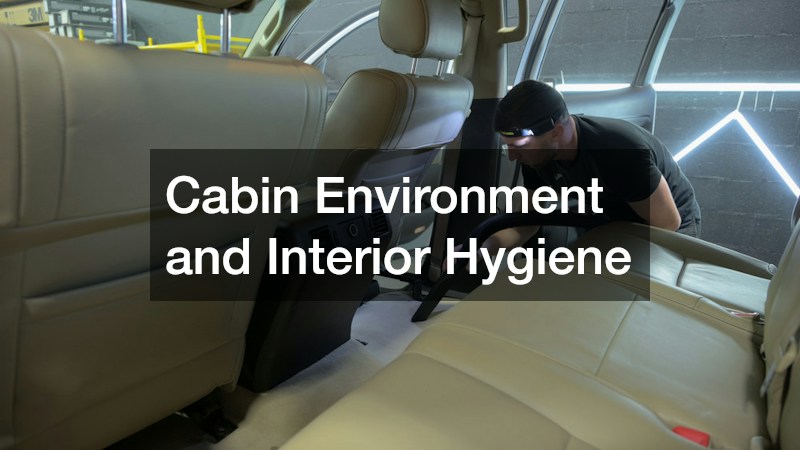
Winter mud, salt slush, and summer dirt quickly degrade interior materials if left unchecked. Deep cleaning your cabin improves air quality and protects interior upholstery from permanent damage caused by moisture and grinding grit. Moisture trapped in cabin floorboards during winter months promotes mold growth and persistent damp odors. Spills and ground-in dirt also break down fabric fibers when exposed to scorching summer sunlight.
- Remove rubber floor mats and scrub them thoroughly to remove road salt deposits.
- Vacuum under seats and along seat seams where dirt routinely accumulates.
- Treat leather or fabric surfaces with appropriate conditioners to prevent cracking.
Dirty carpet fibers trap excess moisture, which can cause interior window fogging during cold weather driving. Arranging professional carpet cleaning restores interior cleanliness, eliminates hidden allergens, and protects underlying subflooring from corrosion. Clean cabin spaces offer a healthier environment and preserve your vehicle resale value over time.
3. Brake Safety and Undercarriage Integrity
Road salt, heavy rains, and extreme mud challenge undercarriage components and brake assemblies throughout changing seasons. Winter ice melting chemicals accelerate rust on brake lines and suspension components, while summer heat bakes grit directly into caliper sliders and pads. Moisture trapped inside brake fluid lines reduces boiling points, making pedal response feel spongy during heavy braking.
- Wash the undercarriage regularly to strip away corrosive road chemicals.
- Inspect brake pads and rotors for uneven wear, scoring, or thinned friction material.
- Clean metal brake hardware to keep calipers moving freely without dragging.
Maintaining mechanical braking components ensures dependable stopping power when maneuvering on wet or frozen pavement. Partnering with a trusted local auto repair shop guarantees that critical safety components receive exact adjustments and quality replacements. Regular inspection prevents minor brake noise from turning into dangerous failures or costly structural repairs.
4. Visibility Control and Exterior Solar Shields
Clear vision remains critical during bright summer glare and heavy winter snowstorms alike. Summer sun damages interior dashboards and raises cabin temperatures, while freezing weather cracks worn windshield wipers and ruins visibility during sudden rainstorms or snowfall. UV radiation breaks down window seals over time, allowing moisture to seep into interior window edges.
- Replace worn windshield wiper blades every six months for streak-free clearing.
- Top off washer fluid reservoirs with temperature-appropriate seasonal formulas.
- Clean interior and exterior glass surfaces to prevent blinding light reflection.
Solar heat entering through clear glass degrades dashboard materials, causing expensive interior cracking over time. Working with an experienced auto glass tinting company reduces interior heat buildup, blocks harmful ultraviolet rays, and protects cabin upholstery. High-quality window treatments keep cabin spaces cooler during hot summer days while adding enhanced driving privacy.
5. Protective Exterior Coatings and Aesthetic Guards
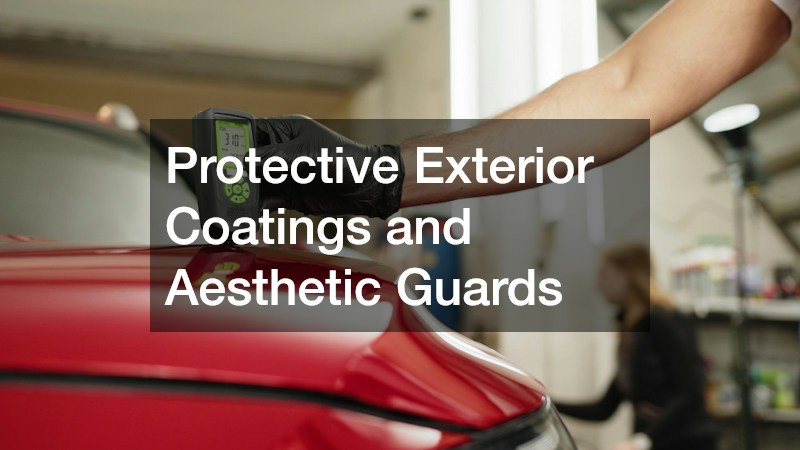
Vehicle paint endures severe punishment from road salt, gravel spray, intense sunlight, and bird droppings during every seasonal transition. Without protective layers, underlying metal surfaces become vulnerable to oxidation, surface rust, and permanent clearcoat damage. Microscopic scratches in clearcoat layers allow acid rain and road oils to penetrate deep into body panels.
- Apply high-quality paint sealant or ceramic coating before seasonal shifts arrive.
- Wash the exterior frequently to remove aggressive tree sap and mineral spots.
- Use microfiber towels to prevent swirl marks during hand washing routines.
Shielding painted surfaces maintains factory shine and prevents deep surface damage from winter debris. Applying custom auto wrapping creates an impervious protective barrier over underlying paint while allowing complete aesthetic customization. Exterior wraps shield metal panels from light road debris, UV exposure, and environmental pollutants season after season.
6. Wheel Alignment and Seasonal Tread Management
Tires provide the single point of contact between your vehicle and the roadway, making tread health crucial for traction. Extreme weather demands adequate tread depth to clear water, slush, and loose snow while maintaining directional stability around sharp corners. Sudden temperature drops cause tire pressure to plummet rapidly, leading to accelerated shoulder wear and reduced handling responsiveness.
- Check tire tread depth using a simple coin measurement or tread depth gauge.
- Inspect tire sidewalls for bulges, cracks, or uneven wear patterns across treads.
- Adjust tire pressure regularly to compensate for cold-weather pressure drops.
Maintaining proper tire inflation optimizes fuel efficiency and extends overall tread life significantly. Rotating tires according to manufacturer recommendations ensures balanced wear across all four wheels. Reliable traction keeps your vehicle tracking straight through sudden summer downpours, slippery slush, or loose icy patches on winter highways.
7. Structural Integrity and Windshield Clarity
Minor chips and hairline cracks on vehicle glass quickly turn into extensive damage when exposed to temperature extremes. Turning on winter defrosting vents sends hot air against freezing glass, triggering rapid thermal expansion that spreads windshield cracks across your field of view. Extreme summer heat similarly causes glass stress fractures to expand outwards from minor pit marks.
- Inspect front windshields carefully for tiny rock chips and stress cracks.
- Clean wiper blades regularly to clear grit that scratches glass surfaces.
- Avoid using hot water to clear icy windshields to prevent thermal shock fractures.
Addressing glass damage early preserves total structural strength in the event of a rollover accident. Consulting certified auto glass companies ensures proper chip repairs or full glass replacements using factory-approved adhesives. Intact vehicle glass guarantees clear driving visibility and maintains essential airbag deployment backing during collisions.
8. Bodywork Restoration and Hail Defense
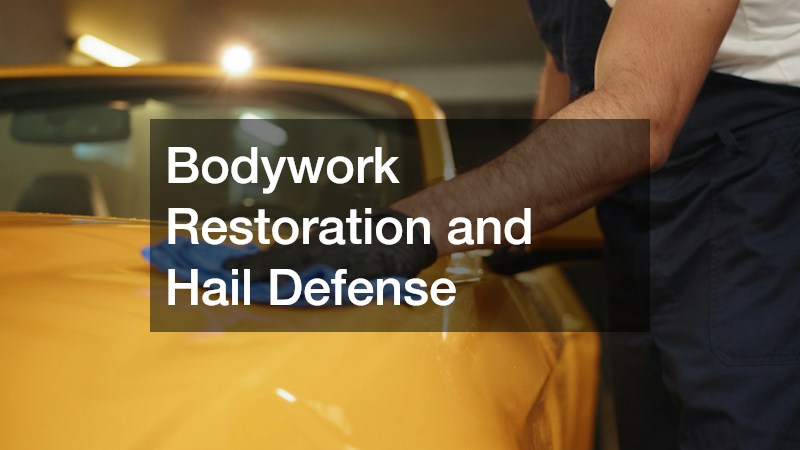
Changing weather patterns bring sudden hazards like falling tree branches, hail storms, and icy parking lot collisions. Leaving body damage unaddressed allows moisture to penetrate metal panels, creating hidden rust pockets that spread beneath intact surrounding paint. Seasonal freezing and thawing cycles force trapped water to expand inside small surface dents, warping adjacent sheet metal further.
- Check body panels regularly for minor dents, door dings, and surface creases.
- Clean crevice areas where damp leaves and moisture gather around door seams.
- Repair scratched paint immediately to seal exposed sheet metal against rust.
Fixing minor body dings restores sleek vehicle contours without requiring expensive full-panel repainting. Utilizing expert paintless dent repair smooths out minor dents while keeping original factory paint finishes intact. Prompt body maintenance protects vehicle value and keeps exterior surfaces looking pristine through every season.
9. Wheel Upgrades and Traction Performance
Wheel performance plays a major role in vehicle handling during wet spring rains, hot summer asphalt driving, and slick winter conditions. Standard factory wheels endure severe corrosion from winter salt, leading many drivers to alternate between dedicated seasonal wheel sets. Harsh road salts strip factory wheel coatings, exposing underlying alloys to pitting and air loss along tire bead seats.
- Inspect wheel rims for bends, cracks, or corrosion along the bead seat.
- Torque lug nuts to manufacturer specifications after changing seasonal wheels.
- Clean brake dust off wheel surfaces to prevent permanent finish staining.
Upgrading your wheel setup enhances total cornering stability, reduces unsprung weight, and improves overall visual appeal. Installing custom rims paired with high-performance seasonal tires optimizes total driving control on tricky roads. Durable aftermarket wheels protect your secondary seasonal tire setup while elevating vehicle aesthetics on every journey.
10. Financial Planning for Seasonal Upgrades
Keeping a vehicle safe, efficient, and visually appealing requires consistent investment in maintenance and occasional major upgrades. Planning ahead for routine fluid changes, tire replacements, and seasonal body care prevents sudden financial strain when unexpected repairs arise. Unexpected breakdown expenses often exceed planned preventative maintenance budgets by significant margins.
- Establish a dedicated monthly vehicle maintenance fund for routine repairs.
- Compare component prices across multiple suppliers before approving major services.
- Review vehicle warranty coverage to maximize eligible maintenance benefits.
When planning major vehicle improvements or replacing older transportation before severe weather sets in, flexible financing options provide helpful budgeting support. Exploring competitive auto loans allows drivers to purchase reliable vehicles or afford essential safety overhauls without compromising monthly financial goals. Smart financial planning ensures your vehicle remains safe, functional, and completely ready for changing weather.
11. Security Systems and Access Control

Freezing weather and summer humidity frequently affect electronic door locks, keyless entry fobs, and mechanical lock cylinders. Frozen door latches leave drivers stranded in extreme cold, while drained key fob batteries prevent keyless access when you need it most. Extreme temperature swings inside the cabin degrade key fob lithium batteries faster than normal room temperature environments.
- Replace key fob batteries annually to prevent unexpected electronic lockout.
- Apply graphite lubricant to mechanical door locks to prevent icy lock freezing.
- Keep spare door keys stored in safe, accessible locations outside the cabin.
Ensuring your security hardware functions smoothly guarantees instant access during severe weather emergencies. Relying on professional automotive locksmith services resolves key fob programming issues, extracts broken keys, and restores complete lock functionality quickly. Functional access hardware provides essential security and peace of mind wherever your seasonal travels take you.
Proper seasonal preparation transforms how your vehicle performs through extreme winter freezing and scorching summer heat. By staying proactive with routine mechanical inspections, interior deep cleaning, exterior surface protection, and timely glass repairs, you protect both your personal safety and your long-term financial investment. Ignoring early warning signs like worn wiper blades, thinning brake pads, or low battery voltage often leads to expensive breakdowns on icy highways or hot remote roads.
Taking time every six months to evaluate critical systems ensures your car operates at peak efficiency, maintains its visual appeal, and delivers dependable performance year-round. Beyond preventing costly emergency repairs, consistent maintenance preserves your vehicle resale value and minimizes unexpected downtime during busy travel seasons. Staying attentive to shifting road conditions and mechanical wear gives you complete confidence behind the wheel no matter what the weather forecast holds.
Developing a predictable inspection routine also allows you to address minor wear before it develops into complex system failures. Prioritizing these essential checkups ensures maximum efficiency, optimal passenger comfort, and lasting reliability. Every maintenance step you take builds a safer, cleaner, and far more enjoyable driving experience for every mile ahead.