Managing a fleet of commercial trailers requires balancing operational efficiency, equipment longevity, and strict regulatory compliance. Whether you operate a handful of local delivery units or manage an expansive regional logistics fleet, your trailers are the physical backbone of your supply chain. Every hour a trailer sits motionless due to an unexpected mechanical failure or an Out-of-Service order from a roadside inspector represents lost revenue, delayed freight, and damaged customer trust.
Achieving long-term profitability in hauling operations requires shifting from reactive fixing to proactive asset management. Buying and owning fleet equipment demands a comprehensive understanding of total cost of ownership, specialized structural maintenance, rigorous inspection schedules, and contingency planning for roadside emergencies. This guide covers the complete operational lifecycle of commercial trailers, providing actionable strategies to help fleet managers, independent operators, and business owners optimize performance, lower operating costs, and extend equipment lifespans.
Strategic Fleet Planning: Acquisition Models and ROI Analysis
Building an efficient fleet begins long before an asset hits the highway. Equipment acquisition requires analyzing capital expenditure against expected operational yield, payload demands, and long-term upkeep expenses.
Lifecycle Cost Analysis Beyond the Purchase Price
Calculating the true cost of adding a trailer to your fleet extends far beyond the sticker price or monthly lease payment. A thorough financial projection factors in depreciation curves, preventative maintenance intervals, insurance premiums, licensing, and expected fuel efficiency impacts.
Fuel consumption is directly tied to aerodynamic drag and structural weight. Aluminum frames offer significant weight savings over traditional carbon steel, allowing for higher payload capacities per haul and reducing rolling resistance when empty. However, aluminum requires specialized welding techniques during structural repairs, which can drive up labor expenses over time. Steel offers high tensile strength and lower upfront purchasing costs, but demands aggressive rust prevention protocols to avoid premature structural fatigue. Calculating total cost of ownership involves weighing these initial material trade-offs against the expected mileage, load profiles, and environmental conditions of your typical haul routes.
Balancing New Purchases Against Budget-Friendly Alternatives
When expanding capacity, fleet managers face the choice between brand-new factory orders, pre-owned inventory, or short-term operational leases. While new assets offer factory warranties and zero operational wear, long lead times and high capital requirements often lead companies to explore alternative purchasing strategies.
The secondary market provides an immediate route to capacity expansion at a fraction of the initial capital outlay. Evaluating used trailers requires a rigorous multi-point inspection protocol to ensure you are not inheriting another operator’s deferred maintenance backlog. Key inspection points include:
- Kingpin and Upper Coupler Plate: Inspect for excessive wear, cracks, or warping that could compromise coupling security with the tractor’s fifth wheel.
- Frame Rail Integrity: Search for stress fractures, improper non-OEM patch welds, or severe subframe corrosion along crossmembers.
- Suspension Bushings and Hangers: Check for dry rotting, alignment shifting, or wallowed-out mounting holes that lead to dog-tracking.
- Floor Board Condition: Verify structural integrity across the deck, looking for rot, oil saturation, or delamination that could fail under forklift axle weights.
For fleets experiencing temporary demand spikes, seasonal surges, or contract uncertainty, committing long-term capital to permanent asset acquisition carries financial risk. Utilizing short-term trailer rentals allows fleet managers to scale their operating capacity upward to meet immediate client demands without placing long-term liabilities on the company balance sheet. When executing rental agreements, audit the contract for tire wear allowances, pre-existing damage waivers, and scheduled service responsibilities to prevent unexpected turn-in fees.
Matching Equipment Configurations to Heavy-Duty Workflows
Different cargo profiles present unique wear vectors, structural strains, and chemical exposure risks. Tailoring your preventative maintenance routines to the specific mechanical demands of your equipment ensures long-term reliability across diverse operational workflows.
Specialized Upkeep for Agricultural and Livestock Transporters
Transporting live cargo presents one of the most aggressive operating environments in the commercial hauling industry. Organic waste, high moisture levels, and frequent chemical washdowns accelerate corrosion across structural joints and lower frame rails. Operating an aluminum livestock trailer requires specialized cleaning protocols to preserve structural integrity:
- Immediate Post-Haul Washouts: Remove organic waste immediately after delivery to prevent uric acid from degrading the protective oxide layer of the metal frame.
- Chemical Compatibility: Avoid harsh alkaline or uninhibited acidic cleaning agents that etch metal surfaces and weaken structural welds over time.
- Flooring and Vent Inspection: Check non-slip deck coatings regularly to prevent animal slippage, and lubricate manual ventilation slats to ensure smooth operation during sudden temperature shifts.
Weatherproofing and Cargo Security for Dry Freight Units
Dry vans and freight haulers rely on total weatherproofing to protect client cargo from water damage, wind intrusion, and road debris. A single roof pinhole can ruin thousands of dollars in dry goods, resulting in costly insurance claims and lost client trust. Maintaining an enclosed trailer involves consistent checks on environmental sealing and cargo control hardware:
- Roof Sheet and Seam Audits: Inspect top aluminum cap sheets for branch punctures, seam sealant separation, or loose rivets along the top rail.
- Door Seal and Gasket Integrity: Examine rear swing and roll-up door perimeter seals for cracking, tear damage, or loss of elasticity that allows water mist to enter at high highway speeds.
- E-Track and Anchor Maintenance: Ensure interior cargo retention tracks are securely fastened to wall studs without bent sections that prevent logistic straps from locking firmly into place.
Hydraulic Maintenance for Heavy Material Haulers
Aggregate, construction, and demolition haulers subject their equipment to extreme mechanical shock, high tonnage loads, and continuous hydraulic cycling. Maintaining a dump trailer demands rigorous attention to high-pressure fluid systems and heavy-duty pivot points:
- Hydraulic Fluid Hygiene: Check reservoir levels weekly, sample fluid for contamination, and replace inline filters according to manufacturer hour thresholds to protect the hydraulic pump.
- Hoist Cylinder Care: Inspect telescoping cylinder stages for scoring, pitting, or fluid leaks around wiper seals, applying protective grease to exposed chrome during extended downtime.
- Hinge Pin and Latch Alignment: Lubricate main dump body pivot pins and tailgate locking hooks daily under heavy use to prevent binding under off-camber dumping conditions.
Preventative Maintenance Protocols to Maximize Uptime
A structured preventative maintenance (PM) program shifts your operation from reactive troubleshooting to scheduled maintenance. Implementing strict daily, monthly, and annual inspection checklists minimizes unexpected mechanical failures, optimizes fuel economy, and preserves asset trade-in value.
High-Priority System Inspections: Running Gear and Brakes
The running gear carries the entire weight of the payload while enduring severe vibration, heat, and road impact. Systematic inspection of wheels, tires, hubs, and braking systems is non-negotiable for road safety:
- Wheel-End Assemblies: Regularly check hub oil sight glasses for correct fluid levels and signs of milky contamination. Conduct periodic wheel bearing endplay checks to prevent catastrophic hub separation.
- Pneumatic Brake Adjustments: Verify that automatic slack adjusters are maintaining correct pushrod travel. Inspect brake shoes for minimum friction material thickness, oil contamination from leaking wheel seals, and heat cracking across the drum face.
- Tire Fleet Management: Maintain correct cold inflation pressures across all dual configurations. Mismatched tire pressures cause the larger diameter tire to carry a disproportionate load share, leading to rapid, uneven tread wear and potential blowouts.
Electrical Systems, Lighting, and Structural Integrity
Modern trailer electrical systems utilize sealed main harnesses feeding low-draw LED lighting arrays. However, continuous exposure to road salt, moisture, and vibration can create electrical resistance, ground faults, and system outages:
- Harness and Junction Box Care: Inspect main 7-way electrical receptacles for pin corrosion or loose terminal connections. Ensure harness retention clips keep wiring clear of moving suspension components and sharp crossmember edges.
- Grounding Continuity: Verify that main chassis ground connections are clean, tight, and protected with non-conductive dielectric grease to prevent intermittent signal loss to ABS modules.
- Structural Undercarriage Audits: Conduct quarterly visual checks of kingpin upper coupler assemblies, main longitudinal I-beams, landing gear legs, and slider box locking pins for structural cracks or mechanical binding.
Establishing Dependable Service Partnerships
While simple daily inspections are performed by drivers during pre-trip routines, complex mechanical overhauls, alignment work, and annual certifications require dedicated facilities and certified technicians. Partnering with professional trailer services providers guarantees access to specialized diagnostics, calibrated tooling, and OEM replacement parts. Establishing scheduled service contracts with established shops helps smooth out maintenance budgeting, reduces turnaround times, and ensures your equipment remains compliant with federal transportation safety standards.
Outsourcing complex diagnostic work, air brake overhauls, and structural welding to trusted local trailer repairs shops allows your internal team to focus on core logistics and route management. Building strong working relationships with regional repair facilities ensures priority bay scheduling during peak operational seasons, keeping your fleet rolling smoothly.
Commercial Rigs and Heavy-Duty Systems Integration
Class-8 commercial logistics demands seamless mechanical integration between heavy-duty highway tractors and trailing equipment. High-mileage interstate hauling accelerates component wear, requiring advanced maintenance practices tailored to heavy commercial setups.
Heavy Commercial Class-8 Trailer Upkeep
Interstate freight haulers operate under demanding conditions, logging hundreds of thousands of miles annually under high loads. Maintaining heavy commercial units requires careful attention to air-ride suspension dynamics, sliding tandem mechanisms, and coupling safety assemblies:
- Air-Ride Suspension Tuning: Inspect height control valves regularly to ensure the air bags maintain proper ride height. Over-inflated or under-inflated air bags alter drive line angles, causing severe tire cupping and suspension component fatigue.
- Sliding Tandem Mechanism Maintenance: Lubricate tandem slider rails, locking pins, and release arm linkages. Ensure air-operated pin release cylinders actuate cleanly to prevent drivers from forcing stuck pins with heavy tools.
- Fifth-Wheel Coupling Interfaces: Check upper coupler bolster plates for flatness, deformation, or excessive scoring. Ensure proper greasing of the kingpin and bolster plate face to reduce friction during cornering maneuvers.
When managing complex air system diagnostics, frame straightening, or heavy axle alignments, working with an experienced semi truck and trailer repair facility ensures the work meets rigorous heavy-duty engineering standards. Specialized commercial shops possess the heavy-duty presses, laser alignment racks, and advanced air system diagnostic tools needed to correct severe mechanical tracking errors.
DOT Annual Inspection Compliance Checklist
To operate legally on public roadways, commercial trailers must pass comprehensive annual Department of Transportation (DOT) safety inspections. Failing to maintain compliant equipment risks heavy fines, increased safety risk scores, and Out-of-Service orders during roadside inspections. Key compliance categories include:
Roadside Contingency and Incident Management
Even the most meticulous preventative maintenance program cannot eliminate every potential road hazard. Punctured tires, road debris strikes, and sudden electrical failures will happen on the highway. Developing clear roadside emergency protocols minimizes operational downtime, protects driver safety, and safeguards client cargo.
Triage Protocols for Highway Mechanical Failures
When an equipment failure occurs on the highway, driver safety and hazard mitigation are the immediate priorities. Establishing clear step-by-step operating procedures helps drivers manage stressful breakdown scenarios calmly and efficiently:
- Safe Roadside Positioning: Pull the rig as far onto the right shoulder as safely possible, clear of active traffic lanes. Steer toward wide emergency pull-outs or exit ramps if the vehicle can still move safely.
- Hazard Activation and Warning Placement: Turn on four-way emergency flashers immediately. Place reflective warning triangles or bidirectional emergency flares at strategic intervals behind the trailer within 10 minutes of stopping.
- Visual Triage and Communication: Perform a safe walkaround inspection from the non-traffic side if possible. Identify the exact failure point (e.g., blown tire, broken air line, wheel seal failure) and communicate precise details, location markers, and cargo status to fleet dispatch.
- Dispatching Roadside Assistance: Contact pre-vetted service providers to dispatch a technician equipped with the necessary diagnostic gear, replacement parts, and safety equipment.
Utilizing dedicated mobile trailer repair units allows certified mechanics to resolve roadside mechanical issues directly on the highway shoulder or at a nearby truck stop, eliminating the time and expense of towing a fully loaded commercial trailer to a distant shop. You can also consider emergency trailer repair for support.
Long-Term Fleet Longevity, Storage, and Resale Optimization
Preserving asset value across a trailer’s lifecycle requires strategic attention during both operational phases and idle storage periods. Implementing proper storage procedures and maintaining meticulous service documentation helps maximize asset longevity and secures higher trade-in valuations at retirement.
Building a Culture of Proactive Fleet Management
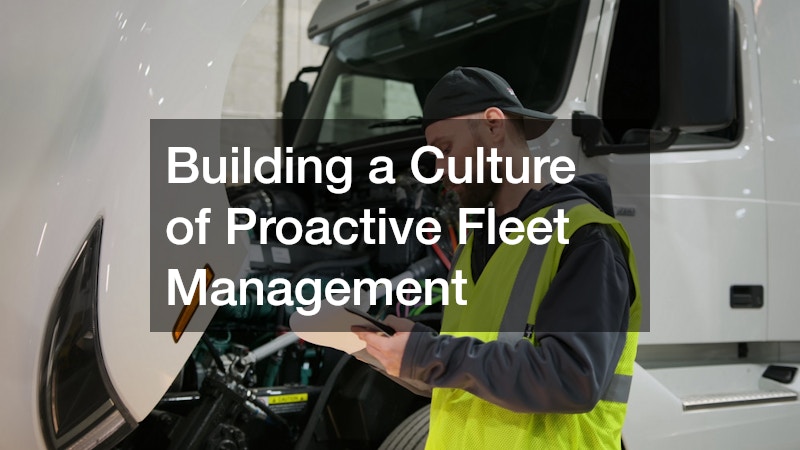
Successful fleet management is built on consistency, detailed planning, and actionable safety protocols. Every component of your equipment—from the kingpin plate down to the rear door seals—requires systematic attention to ensure reliable performance on the road.
By choosing the right equipment configurations for your operational needs, executing structured daily and annual inspection schedules, and partnering with qualified service professionals, you turn maintenance from an unpredictable expense into a manageable operational investment. Protecting your fleet assets preserves your capital, protects your drivers and cargo, and keeps your business moving forward smoothly.